

Field tests in Brazil were conducted on corn, soybean, and kidney bean
key global food and feed crops Nousbo’s Controlled Release Fertilizer (CRF) reduced fertilizer usage by up to 71% while boosting yields by 16%
Latin American exports increased by 27% in 2024, supported by enhanced CRF promotion at trade fairs
Nousbo’s controlled release fertilizer (CRF) showed excellent results in field trials conducted in Brazil on corn, soybean, and kidney bean, which are important food and feed crops worldwide.
Based on its world-class controlled release fertilizer technology, Nousbo has continued to develop products suited to the climate conditions of countries around the world. Nousbo recently completed field tests of CRF optimized for Brazil’s climate on about 86 hectares of farmland in Paraná.
The coated fertilizer used in the tests featured a sigmoid-type controlled release design, tailored to match the growth rate of the crops. This allowed for a single application at sowing or transplanting, with no need for additional fertilization until harvest. Compared to conventional practices, fertilizer usage was reduced by 54% for corn, 36% for soybean, and 71% for kidney bean. Yields increased by 16% for corn, 13% for soybean, and 14% for kidney bean. In particular, corn, which typically requires three fertilizer applications before harvest, achieved superior results with just one application of controlled release fertilizer. This not only demonstrated excellent fertilization efficiency but also delivered added economic benefits by reducing labor, fuel consumption, and equipment wear.
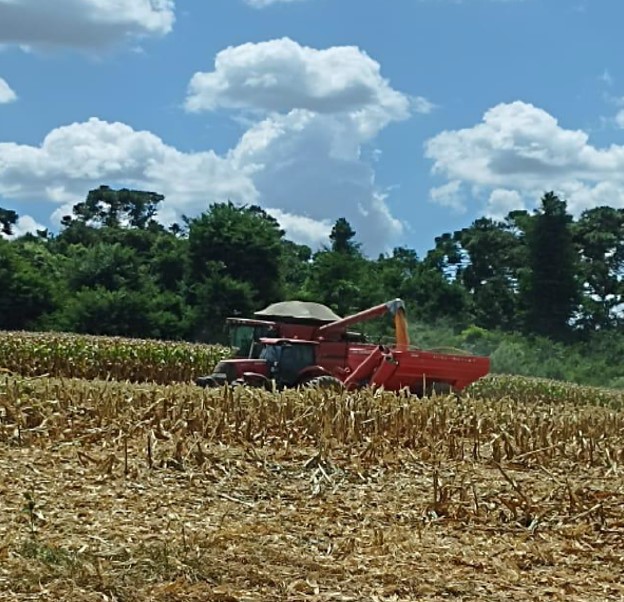 ▲ Corn harvest from Brazil field trial with Nousbo’s CRF
Brazil is one of the world’s leading agricultural nations, ranking in the top three for corn, soybean, and kidney bean production. Together, these crops are grown on more than 60 million hectares – around 45 times the total area of farmland in South Korea.
The trial clearly demonstrated that even with reduced fertilizer input, Nousbo’s coated fertilizer delivered excellent yield improvements for food and feed crops in Brazil. Notably, even at the minimum recommended application rate, significant gains were observed in ear count, grain weight, and overall yield. Increasing the application to an optimal level is expected to result in even greater production. In 2024, fertilizer exports to Latin America – particularly to Mexico, Brazil, and Chile – rose by 27%, supported by trade fair promotions and ongoing market development efforts.
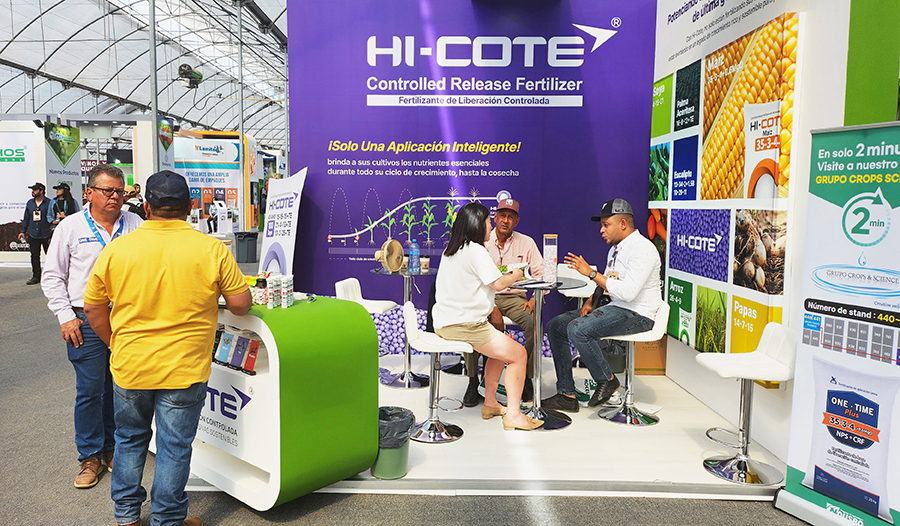 ▲ 2024 trade fair in Mexico
The accelerating transition to sustainable energy, including the US requirement for ethanol-blended gasoline, is driving stronger demand for bioethanol and biodiesel. This is expected to further drive growth in the market for high-efficiency, eco-friendly fertilizers, given the key role of corn and soybean in biofuel production.